
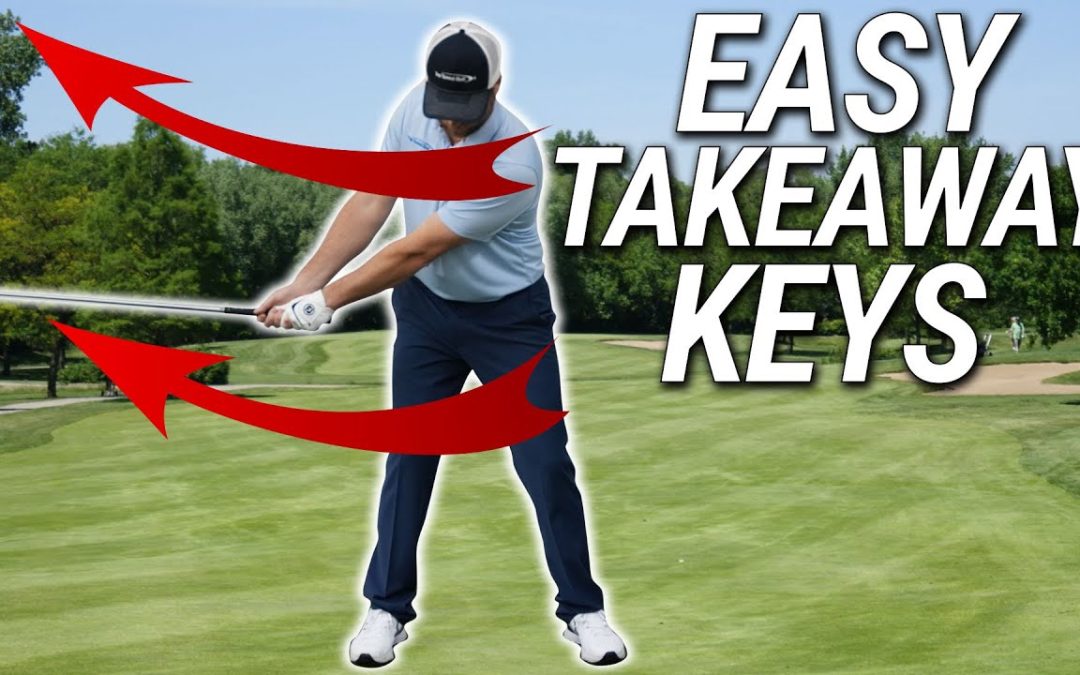
– All right, if I can get a good takeaway it makes the entire swing a lot easier. Let's go and hit a good shot here. There we go, really solid on that one. Nice club and speed. 99.2 miles an hour, 201 yards of carry. I'm not going to do much better than that. Well, the first foot or
two feet of the takeaway are incredibly important, and if I can get those right, like I said, the whole swing is going
to be a lot better.
I'm going to make an easier turn without having to be flexible, that's gonna give me more power. I'm going to be able to keep
my club working more on plane which is going to help
me to swing straighter and hit a lot more solid shots. And it's also gonna help
with my weight shift back and through so I can make really good
clean contact with the ground. So let's start with that. Let's start with the weight shift. What I see a lot of players do to get the weight shift wrong is they'll actually get to
the right side way too late.
And that's what I have this
whole yellow ball here for. What I find a lot of players will do, they pick the club up
with their hands and arms without shifting their weight early. And the weight does go to the right but it ends up going to
the right way back here. So my weight is kind of centered, maybe I'm a little bit on my right side. Then I take the club back, I don't really get that shift. I finally get the shift back here and there's no time to
get back to the left and it falling back on the right or fighting hard to get to the left.
It's just really inconsistent. That's a big reason that
you'll maybe hit one a little heavy on one shot, thin on the next shot and then hit a solid one on the third one. This keeps on repeating. It's like, hey, why is it so doggone hard just to hit the ball and
the ground at the same time. The weight shift has a
big deal to do with that. So I put this yellow ball under my heel.
Now I want it under the
heel and not the toe so I can stay in my posture. If I let my weight shift to the right and I come up on my toes, I'm going to tend to stand
up out of the posture, stand up out of the shot. If I feel like it's under my heel now, I can simply press that into my heel and it helps me keep in my
posture as I rotate back. So I'm keeping my spine angled forward, as my weight goes into my heel that makes it a lot easier to do that. I'm kind of rotating into this right hip. So what I want you to do, instead of waiting until
late to get to the right, I actually want you to do this before you even start your swing.
So the very first trigger
for your back swing should be pressing into that yellow ball. And you can just see me just kind of lean into that yellow ball to start the swing. You notice that when I do this the club hasn't even moved yet. Now, once I've done that weight shift it gets everything going
into the right early, and it's going to be
natural just to go ahead and shift to the left, then make your down swing come on through to the good finish. So if I don't get to
the right early enough I can't shift to the left early enough. It's as simple as this, I get my weight in my right
before the club even moves. That gets me loaded up on
my right foot very early.
And then from there I
can shift to the left and then swing on down. That way your weight is
always going to the left through contact, it makes it really easy. It's that natural just
right left momentum. Happens very early, it makes it really easy to hit
the ground at the same point. Now the next piece here is
going to be the shoulder turn and getting the club on plane. Now, once I get that little
push into the ground, push that ball into the ground, then my club is going to move and I'm going to move this club not by picking my hands
and arms up to the inside. You notice when I did that,
this club shot to the inside which I see almost everybody
making that mistake.
It tends to want to loop down
steeper when that happens. And I also have bent
this right arm right away when I do those two things, not only does my club go inside but I don't get much of a shoulder turn. So it feels like if you've
really been struggling to get your shoulders to
move in the back swing, it actually has less to
do with the shoulders and more to do with the weight shift in that first couple feet of turn here. So what I want you to do
is the right way here. We're going to push into that ball.

And in the start the back swing, I want my right hip and my right shoulder to clear out of the way. It's almost like if somebody
had a rope tied to my hip, tied to my shoulder and they're
pulling it in this direction I'm going to press into the ball, and then it's going to load back this way. You notice that right leg kind
of straightens a little bit when that happens, that
allows the hip to turn back. It allows the shoulder to turn back. And when I do this, I'm going to keep my
right arm fairly straight. So I'm going to press and turn, naturally that gets my
club perfectly on plane, gets my arm nice and straight, everything's turning, big shoulder turn, that gets the club to not
shoot back to the inside. It just gets everything
working on plane there.
And that's really the key to it. You do those two moves, press and then I'm going to turn my body and let my right arm stay straight. And now I'm perfectly on plane. I made this big turn. So once I've done that, now I'm
loaded up on the right side. Now I've got this big shoulder turn. All I have to do is shift left
and then make my down swing. Everything else is going to
be much, much more natural when you can get that
first little move, right? Let's go and try that out.
I'm going to press and turn. Then I'm going to shift to
the left and swing down. So I'm pressing and turning. I'm going to shift and then swing down. Let's try it out. There we go. Nice little tight draw,
just right at the target. Drawing back in there. Again, good swing speed. 99.6 miles an hour, 196 yards of carry. Couldn't hit it a whole
lot better than that one. And a lot of that is because I got started on the right foot. Now it feels natural to
get back to the left, swing on through it and get
that consistent contact. Now there's still one piece of this here. A lot of times some players
get their weight shift down, they can get a little bit more lag. They simply just don't square up the face the way the pros are doing it. The right way to square up the face is by using your wrist and
hands in a certain manner that gets this club face squared up early. Then I can shift left.
I can rotate as hard as I want to. And I know that ball is going to draw. So there when I hit that shot, I don't have to worry about is that ball gonna turn back over, I know it is because of the way that I'm using
my hands, arms and wrist. And I want to teach that to you. It's a great drill called
the tennis racket drill. I want to play a preview of
that here in just one second. All you need to do is go
ahead and click on the card that pops up on your
screen somewhere up here. And don't worry if you don't
see one of those buttons, that card in the screen, just go ahead and go
down to the description and you'll see a link there. It's going to send you
to that exact same video. I'm going to walk you through exactly how to use your hands, wrists, and arms. So you can get that weight
shift turn on through the shot and it makes it really a
lot easier to play golf.
So you get you started
off on the right foot with the takeaway, then shift left, get the hands and arms, the lag, the face squaring up, just like the pros are doing. And you pretty much built, the overall swing motion is
going to be incredibly reliable and the light hit it really solid. So I'll see you in the
tennis racket video. I can't wait to share
some of those secrets on how to square it up in the down swing.
So you don't even have to worry about it. Let's go on and get started. Good player problems. We're going to talk about
shallowing that club shaft out as we're starting down, as we're doing this rotating of the face that we worked on in the last video. As we start this down swing, which you'll see with basically
all of the top players is instead of coming kind of over the top and letting the hands come
out away from their body, letting the club come
out away from their body. Again, coming down steep into the ball and then having to open up, kind of filet open the
face and add loft to it. The flattening of the shaft should happen as soon as we start down. So as we start this down swing, what we want to have happening here. You can imagine that if I draw a line from the hosel of my club
up through my right elbow that's my swing plane
line, my elbow plane. As I go to the top of the swing, I'm going to be slightly above that. And then as I start down, I want my hands to start to shallow out.
I want the club to shallow out
inside of this elbow plane. And at the same time, I'm going to be.