
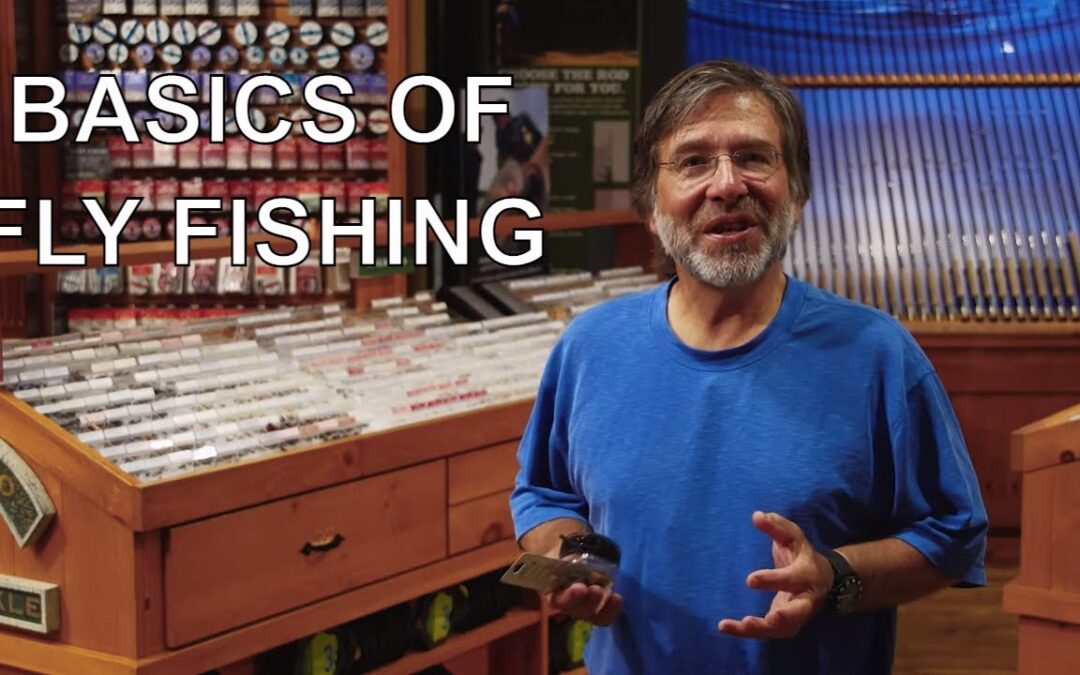
we got a double header tom that's a steelhead oh welcome to the orvis guide to fly
fishing i'm your host tom rosenbauer and for the next 13 episodes we're going
to show you just how easy it is to catch all different kinds of fish on a fly rod
we're going to take you to some great places across north america we're going to have
some fun along the way and i hope you do too oh yeah nice fish that fish has already refused
that fly you're going to have to try it just a slightly different pattern the roll cast
pickup is a great cast to use in a lot of fishing situations this is a beautiful wild trout
from a small stream just a gorgeous little fish i say hit that bank let's go to that grass bed the orvis guide to fly fishing
is supported by orvis fly fishing algoma country destination ontario maine office of tourism yellowstone
teton territory crazy rainbow ranch bahamas tourism adipose boatworks global rescue proud unlimited fly fishing has a special appeal
to many people whether they're young old man or woman fly fishing appeals to many because it's
artistic relaxing fun and exciting and it's a great way to connect with nature but some people
believe fly fishing is really technical and far too difficult to learn nothing could be further
from the truth it's really quite simple to master anyone can learn to fly the best way to start is
on a local pond filled with small bass or sunfish i took my friends sophia emilia and julia to
a local pond to show them what fly fishing is all about you'll see that they catch fish
just like you can we started out the way all kids should begin fishing with live bait
and a bobber since it was grasshopper season we caught some live hoppers which was half the
fun for all of us we got some grasshoppers here so we're gonna put a grasshopper on the bobber
okay excuse us grasshoppers we need another one excuse us we need another volunteer there
we go there's a volunteer press the button and go there you go perfect okay let's see
if anybody's wounded reel it in reel it in you got one you got one there he is that's
a largemouth bass all right wow look at that now that's a baby largemouth bass and the way
to land these is you just put your thumb right in here they don't have any real teeth they just
have little t see those little teeny tiny teeth they feel just like sandpaper want
to feel it uh just like sandpaper good job then we replace the live grasshopper
with an artificial grasshopper fly we still use the bobber and push button rod to show
them that an artificial fly is just another way to catch fish it looks like a grasshopper
it's got let's see it's got legs it's got wings it's got that little red stuff and it's got
a fat head doesn't look like a hopper yeah just like with that real grasshopper we can't
throw this very far so we can't just put it on that line right we gotta have some weight to get
it out there what so what's the weight that's gonna get the bomber the bobber okay so i'm gonna
tie on this fake grasshopper twitch it okay stop there's one looking at it oh you got it you
got him on a fake grasshopper what do you what do you think huh pretty cool yeah you want to see
another way of fishing a fake grass okay all right we're going to put this down and we're going
to use a different kind of rod fire fly rod y rod how do you know i don't really know how
to use it finally we replaced the push button rod with a fly rod the most efficient way to get a
small almost weightless lure like a fly out there so here's the deal we don't need a bobber either
you know why why because this is the weight you cast oh this is a long skinny bobber and what i
can do is i can take this thing and go like that and i can put that fly out there just with this
all i do is flick it and it goes out there and the grasshoppers didn't want to go in here but we
volunteered them yep up up up he's looking at it okay so you've just seen the difference between
fly fishing and all other kinds of fishing the line provides the weight to get
the fly to the target not the lure itself what a what a nice jump you
know why they call him a large mouth they also caught on fake grasshoppers
we caught on a fake grasshopper a real a real bass on a fake grasshopper
nice job amelia and off he goes then the girls went fishing with their dad
randy it was great to see them use the fly rod interchangeably with the push button rod not
treating it like some kind of mystical way to fish fly fishing is easy anyone can do
it you just have to learn the basics wow next we look at the origins of fly fishing and
help explain why this outdoor activity has been steadily increasing in popularity fly fishing has
been around for quite some time it began in the middle ages when people noticed fish eating small
bugs that were tough to keep on the hook as bait early fly fishers didn't do much casting and
didn't use a reel their methods were very similar to a japanese method of fishing called tenkara
which has become increasingly popular around the world at the end of the 19th century and into
the 20th century fly rods got better and fly anglers learned to cast longer distances then they
added reels to store line they also began catching bigger fish that would make long runs this new
equipment helped increase the interest in fly fishing in the second half of the 20th century
fly fishing became more popular with everyone from presidents to movie stars to ordinary anglers
who were looking for more of a challenge when they were fishing fly fishing was suddenly the new and
exciting way to catch fish best of all the sport expanded from being just for trout to saltwater
fish and warm water species like bass and pike at the american museum of fly fishing
in manchester vermont the history of fly fishing is well chronicled if you get a
chance to visit the region i highly recommend you spend some time in the museum it really
is fascinating all this old equipment is really neat to see but what do you really
need today to get started in fly fishing you know i think one of the things that
intimidates people about fly fishing is a vision of a fly angler with waders and vest and creel
and and all these gadgets hanging from the vest but you don't need all that stuff what
do you need what are the bare essentials you need to get started in fly fishing well
you need that basic rod reel in line outfit in one form or another you need a rod you need
a reel you need a line and you need a leader what else do you need what are the bare essentials
that you need you really only need a pair of snips to cut your line you need a box of flies
and it doesn't have to be a fancy box it can be the box that you get for free
when you buy the flies in the store and you probably are going to need a couple
different spools of tippet material that's all you can wade wet which means just in a pair of sandals
and a pair of shorts you can fish from shore you can fish from a canoe or other kind of boat you
don't need to get dressed in waders right away if you don't need them so when you get started in
fly fishing keep it simple at first you'll find lots of uses for those gadgets later on but
you don't need them when you're starting out you need a rod a reel and line just like any
other kind of fishing but a fly rod bends in a specific way so they can put the fly where you
want it but also to play a fish without breaking your leader for much of fly fishing the reel is
simply a device to store line and you retrieve and otherwise manipulate the line with your
hands sometimes when a big fish is hooked the reel takes over to provide a mechanical drag and
a retrieve line between runs a fly line has weight because the line is what casts the fly a fly line
can float or sink but for now we'll stick with a floating line which is by far the most common type
between the line and the fly is a leader made from regular monofilament fishing line that has been
specially tapered to present the fly properly you'll see scores of different fly fishing knots
but for most fishing you need only two one to tie the fly to the leader and another to tie two
pieces of leader material together to tie a fly to your leader for trout bass and panfish the easiest
knot to use is the clinch nut and it's one of the best with the clinch knot which you may already
know if you've done any kind of fishing you go through the eye of the hook wind the tag or short
end around the standing part of the leader pass the tag end back through the loop right in front
of the high and then tighten by pulling on the fly and the standing part of the leader to tie on a
new tippet to the end of your leader or to tie two pieces of leader material together you can use
a triple overhand also called the surgeon's knot this is just a simple triple overhand knot where
you pass both ends of the leader including the tag end through the loop three times the line and
leader are tapered to make your presentation better fly rods and fly lines are rated with a
number system that ranges from one through twelve with one the lightest and thinnest
and twelve the heaviest and thickest lighter lines are more delicate heavier
lines are needed to throw bigger flies and to cast farther especially when you
have windy conditions luckily fly rods made for light lines are more flexible to
protect light leaders and heavier fly rods have enough power to make long casts and
enough reserve power to fight big fish for most trout and panfish size four or five rod
in line is about right rods lighter than a four weight are used for small fish or very delicate
presentations and are really considered specialty rods for a good all-round rod for both trout and
smaller bass size six is often used for bigger bass smaller pike steelhead salmon and smaller
saltwater species a size 8 is the most popular size for very large flies and very heavy fish
size 10 11 or even 12 might be used don't forget a fly rod should always be matched to the correct
line size otherwise it won't perform at its best as you can see by comparing these popular
lures to flies they both do the same thing both try to imitate bait fish
and other forage like frogs the only real difference is that fly patterns
are virtually weightless in comparison to lures the weight of a lure is how an angler propels it
to the target with fly fishing we propel a feather light fly pattern to the target except we use the
weight of the line the simple mechanics of physics help us cast virtually weightless flies
using a long rod combined with a weighted line and of course the actual casting is
part of the magical appeal of fly fishing next we'll learn some basic casts that will
help you get started no matter where you fish casting is one of the great aspects of fly
fishing many find the rhythmic motion is relaxing and even therapeutic like other activities
such as golf or tennis you need to learn the essentials in practice in order to achieve
success but the key is that it's easy to learn i can't think of a better person to introduce
the basics of casting than my friend pete kutzer pete's an instructor and has taught
thousands of people to cast a fly rod he truly loves teaching and
his enthusiasm is infectious hi i'm pete kutzer from the orvis fly fishing
schools and if you really want to catch fish the first cast you got to learn how to do in fly
fishing is a reverse double mocha spiral cast just kidding all fly rods basically need three
things in order to uh to work the first thing they need to do is they need
to bend when that rod bends we call it loaded it's loaded with energy essentially the next thing
that rod needs to do is come to a very abrupt stop that's going to transfer the energy from the
rod into the line getting that line to roll out when we cast we need to make
this rod bend and stop twice bend and stop bend and stop once behind us and
then once again in front of us the third thing we need to get this fly rod to do is we need to
get that rod tip that i'm pointing right at you to move in the straightest line possible straight
to the back cast and straight to the forward cast if i get that rod to move straight back and
straight forward the line is going to travel straight back and straight forward if i travel in
an arch come up and down up then down that's going to send that line down into the ground or into
the water and down into the bushes behind you so just think bend and stop bend and stop
and travel in that nice straight path when we're traveling in that straight path to a
stop on that back cast and that straight path to a stop on the forecast we have to make sure that we
pause in between those two casts and let that line roll out behind us just as that leader is about
to straighten out that thin clear piece of line then we can begin our forward cast when we're
casting though we can move in a straight path virtually wherever you want you can make a
straight path up over your head this is kind of a classic trout style of casting you can make
that straight path more out to the side this is more common in some salt water situations
or let's say you're in a tricky situation where you have to cast underneath a bush or
underneath the tree we can make a low angle cast down here and get that fly out underneath
something so that straight line can be at any angle we want around our body we make that
straight path back and that straight path forward we have to stay in that same straight plane what
we don't want to do is get a curl around our body behind us or around our body out in front of us
we want to stay almost as if there's a wall out there to the side and that nice straight line
back and forward when we're making that cast we want to start off with a good grip you want that
thumb on top and a nice relaxed grip and that rod relatively in line with your forearm we're
going to start nice and low and we don't want to go too far back when we make that back cast
we're going to bring that rod up using a little bit of forearm then a little bit of wrist and we
want to stop somewhere you know across from our shoulder or across from our ear not way back like
this if we come back too far that usually sends that line down and back and it's going to end
up getting stuck in the trees or in the bushes so rod tip low thumb on top smooth acceleration
to that stop smooth acceleration to that stop i think pop to a stop if you will and then when you
stop on that forward cast think stop then drop stop the rod first that's going to allow that
line to roll out and straighten out in the air once that line straightens out gravity takes over
then we can lower that line back down to the water and get that line back underneath your
index finger because now you're fishing sometimes when we're casting we have very limited
back cast space we can't make that complete back cast and send that line behind us we might
have an obstacle behind us like a tree a rock some bushes maybe another angler and in that
situation we want to do a cast called the roll cast now the roll cast is a great cast but we kind
of want to use it on the water we need to set up an anchor point and what we call a d loop this
is very common you'll hear this a lot in space casting the d loop is this little bit of line
here behind me right here and the anchor point is that line touching the water we need some line
touching the water and we want our hand up kind of near our ear or across from our shoulder
from this point then we can just make a nice forward flick of the wrist or a nice forward
cast and that's going to send that line out so we just lift this line up and come back nice
and slowly dragging that line across the water stop right across our ear i like to tell people
it's almost like you're talking on a telephone but it's somebody really obnoxious so you're holding
the phone away from your ear you're going fishing again and then from this point just a
nice flick to his stop or pop to a stop if you will around eye level and that's
going to get that line to roll right out when we shoot this line we want to have good
timing we want to make sure that we're releasing that line at just the right moment and there's
a couple different ways you can do this you can see it or you can feel it to see it what you're
looking for is that nice loop rolling out in front of you as soon as you see that loop that's your
visual indicator on when to shoot the line see the loop then you can release that line and start to
shoot it if you want to feel it you can feel that rod come to that good abrupt stop come to that
nice stop then release that line so you can see it or you can feel it if your timing is off if you
release that line too soon what can happen is that line can wrap around your arm wrap around your rod
and it won't shoot out very nicely so we want that good timing and release that line after we stop
make sure when you're releasing that line that you feather it through your hand you don't want
to just let that line go and then strip it back in before that line gets straight so just think
open that bail hold that line in your other hand your non-casting hand make that nice stop feather
through your hand back underneath that finger closing the bail then we can strip that line
back in remember keep that rod tip nice and low every other cast you hear about
in fly fishing is a variation of either the pickup and lay down cast
or the roll cast as we've seen here and you'll use these casts more often than
any others practice these as often as you can and you'll have a lot more fun fishing with a fly
people love fly fishing for many reasons for some it's a connection they feel with nature whether
it's wading on a mountain stream casting from a boat on their local pond or fishing in a mountain
river fly fishing helps them get into the outdoors for others fly fishing is a means of relaxing
unwinding and clearing their minds but there's one common thread among all of them and that's
that fly fishing is a fascinating way to fish fly fishers have to completely clear their minds
in order to focus on the task at hand which is fooling a fish you have to forget everything about
home worries about money life or full-time job this in turn helps you relax and even solve
difficult problems because you've cleared your mind don't be intimidated by fly fishing it's
just another way of fishing some people make it complex because they enjoy it that way but you
want to keep it simple at first you could even catch trout with a simple outfit like this
you've just seen how easy fly fishing can be and the principle is really the same whether
you're fishing for trout bass bluegills pike bonefish or even marlin or sailfish you've
got a rod a reel a line in the fly it's just another form of fishing i'm not going to lie
to you and tell you that's the easiest thing you've ever done but i bet it's a lot easier
than you think so keep it simple at first concentrate on basic techniques and
worry about all that extra gear later just get out there and catch some fish in a local
pond and see how much fun fly fishing can be the orvis guide to fly fishing
is supported by orvis fly fishing algoma country destination ontario maine office of tourism yellowstone teton territory crazy rainbow ranch bahamas tourism adipose boatworks global rescue proud unlimited foreign you
